Fire protection systems require careful planning, accurate layouts, and seamless coordination with other building systems. Fire protection BIM modeling helps designers create detailed digital models that improve accuracy, reduce design conflicts, and support more efficient project execution. By providing a clear visual representation of fire sprinkler systems before installation begins, BIM allows teams to make informed decisions, improve collaboration, and deliver higher-quality fire protection solutions.
Improved Visualization for Better Design Accuracy
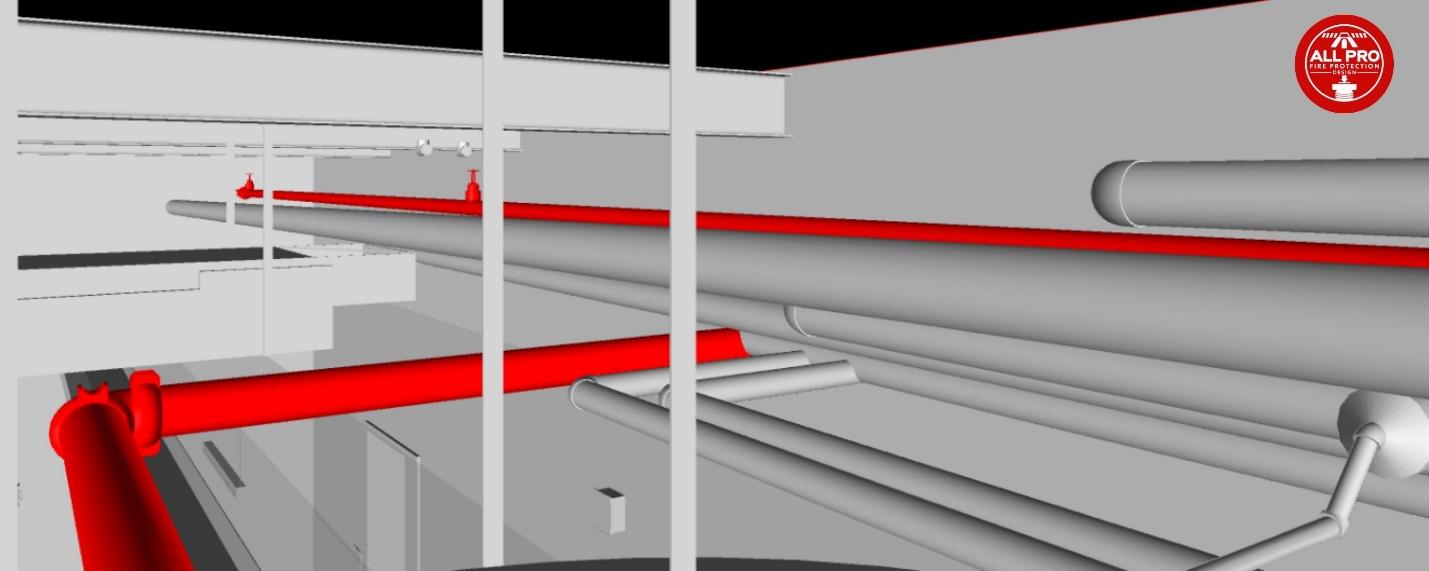
Traditional design methods often rely on 2D drawings that can make it difficult to fully understand how a fire sprinkler system will fit within a building. BIM modeling provides a three-dimensional view of the entire system, allowing designers to evaluate pipe routing, sprinkler placement, and equipment locations with greater confidence.
This enhanced visibility helps identify potential design concerns early and supports more accurate planning. As a result, project teams can make adjustments before drawings are finalized, reducing the likelihood of revisions later in the process.
Better Coordination with Other Building Systems
Fire sprinkler systems must work alongside HVAC, plumbing, electrical, and structural components. Without proper coordination, conflicts can arise that lead to installation challenges and project delays.
Through BIM fire protection coordination, designers can integrate fire protection systems into a shared project model. This allows all trades to review system locations and collaborate more effectively throughout the design phase. Improved coordination helps reduce conflicts, streamline installation, and create a more efficient workflow for everyone involved.
Early Clash Detection Reduces Rework
One of the most valuable advantages of BIM is clash detection. During the design process, software can identify situations where sprinkler piping interferes with other building components.
Instead of discovering these issues during installation, project teams can resolve them before construction documents are issued. This proactive approach minimizes field modifications, reduces costly rework, and helps maintain project schedules.
Many professionals use Revit fire sprinkler modeling to identify and resolve these conflicts while developing highly detailed and coordinated system layouts.
Enhanced Documentation and Design Consistency
Accurate documentation is essential for successful fire protection projects. BIM models contain detailed information that supports drawing development, system coordination, and project documentation.
When combined with AutoCAD fire sprinkler design, BIM workflows help create consistent drawings that accurately reflect project requirements. This improved level of detail supports better communication among project stakeholders and helps ensure that installation teams are working from reliable information.
More Efficient Design Reviews and Communication
BIM models make it easier for designers, engineers, contractors, and project owners to review fire protection systems before installation begins. Instead of relying solely on technical drawings, stakeholders can visualize the system within the building environment.
This improved communication helps teams understand design intent, identify concerns more quickly, and make informed decisions throughout the project lifecycle. For organizations working with a professional fire protection design firm, BIM serves as a valuable tool for maintaining accuracy and transparency from design through installation.
Supporting Long-Term Project Success
Efficiency in fire protection design goes beyond creating drawings. It involves developing coordinated, accurate, and practical systems that can be installed with confidence. BIM modeling helps achieve this by improving design quality, reducing conflicts, and strengthening collaboration among project teams.
As fire protection projects continue to become more complex, BIM remains an essential tool for delivering reliable and efficient fire sprinkler system designs while supporting overall project success.
Improve Fire Protection Efficiency with All Pro Fire Protection Design
Successful fire protection BIM modeling requires technical expertise, attention to detail, and a strong understanding of fire sprinkler system design. At All Pro Fire Protection Design, we use advanced BIM technology to create accurate, coordinated, and code-compliant fire protection solutions for a wide range of projects. Whether you need fire sprinkler design services or support for complex system coordination, our team is committed to delivering practical designs that help projects move forward efficiently.